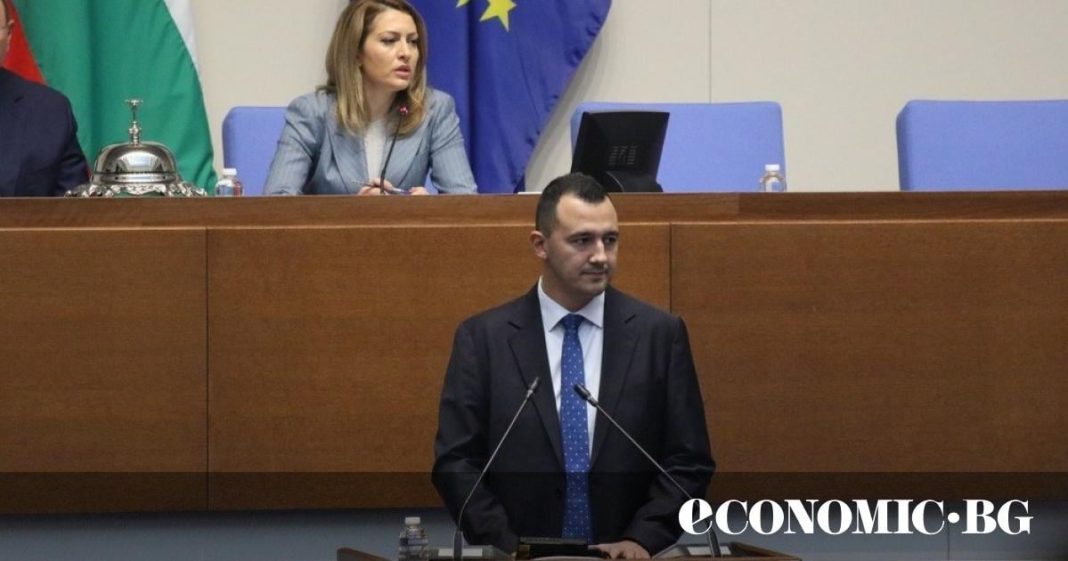
At the suggestion of the BSP, but with complete unanimity, MPs drastically lowered the interest rate cap on loans for tuition and living expenses for students and doctoral candidates. The bill was submitted on May 21, 2025, by a group of MPs from the Socialist Party, still part of the coalition government, but was only voted on first reading today, January 15.
The MPs were in such a hurry that they exercised their right to consider the bill in two readings during a single session.
We would like to remind you that the country is heading for early elections, in which every political entity usually tries to highlight what it has done „for the people,“ and in the case of the BSP, which can hardly justify its coalition with GERB and Delian Peevski to its voters, such „successes“ are vital for its survival. On Wednesday, Social Minister Borisov Gutsanov boasted of another populist measure – enshrining Easter and Christmas bonuses in law, while also greatly expanding the group of people who will receive them.
During the debate on the amendments to the Student and Doctoral Student Loan Act, Gabriel Valkov of the BSP pointed out that the current 7% cap „renders student loans meaningless,“ as mortgage and consumer loans currently have interest rates lower than 7%.
We would like to remind you that such comparisons are economically unfounded. With mortgage loans, the borrower mortgages their property and is also liable with their income. With consumer loans, the interest rate is determined by the income and the size of the loan, and the interest rate can currently exceed 7%. Students are among the riskier groups, as they are just entering the labor market and, in general, their income is lower.
In the case of student loans, the state guarantees these loans with public funds – a specific amount of state guarantees is set each year. If the student or doctoral student does not pay their installments, the state does.
Such changes would cost the state around BGN 100,000, which we do not think is a large expense,“ Valkov said, quoted by BNR.
„There is also BGN 4 billion in profits for the banks. Reducing interest rates from 7% to 3% should not be a problem for any bank. On the other hand, banks have no risk because these loans are state-guaranteed, so there is zero risk for banks that grant such loans,“ Valkov explained.
He also commented that although there has been a positive trend in the number of loans granted in recent years, the coverage among young people remains limited. According to him, the relatively low proportion of students and doctoral students who take advantage of this type of lending shows that the loans are currently inapplicable and unattractive.
For us, the education and development of young people in Bulgaria is more important than the profits of banks. By providing access to education for more young people, we are helping both young people and the Bulgarian economy, which gains more qualified personnel to work in it,“ the socialist further explained.
We would like to remind you that the student loan program is voluntary – i.e., banks decide for themselves whether to participate in it. If they determine that their revenues do not cover their costs, they could stop granting student or doctoral loans.
Translated with DeepL.
Източник: Economic.bg